Before discussing the history of Korean popular music, it is necessary to first examine the changes in the media that captured the music itself. Popular music has been distributed through various media, beginning with records, demonstrating the close connection between the growth of the music industry and technological advancements. Therefore, before delving into the history of Korean popular music, this study aims to explore the origins of recording technology and records by focusing on the first recorded Korean-language audio. This article will specifically address the first known voice recording in Korean and its significance in understanding the development of Korean popular music and media.
The Recording of Korean Voices in the Late 19th Century
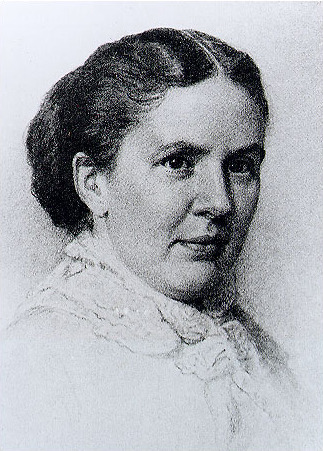
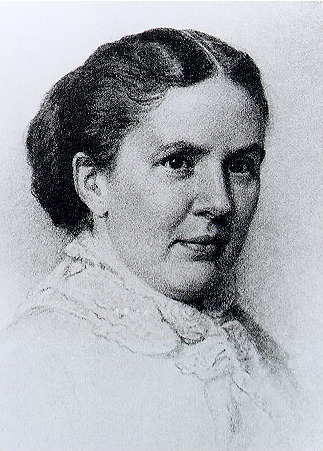
The late 19th century was a period when Western imperial powers were sweeping across the globe. During this time, Western societies actively conducted anthropological research on non-Western cultures, and the advancement of audio recording technology became an essential tool for preserving the music and languages of societies considered “primitive.” Within this context, American anthropologist Alice Fletcher recorded the voices of three Korean students—Ahn Jeong-sik, Lee Hee-cheol, and Song Young-deok—on July 24, 1896, for research purposes. These students had initially studied in Japan but fled to the United States following the Agwan Pacheon (1896 royal refuge at the Russian legation). They were invited to Fletcher’s home, where the recording took place by chance. Fletcher’s diary contains no prior notes about the recording session, suggesting that it was an unplanned and spontaneous occurrence.
Fletcher used an Edison phonograph cylinder to record Korean folk songs such as Arirang, Dara Dara, and Maehwa Taryeong. These recordings were not “popular music” in the modern sense but rather traditional folk songs commonly sung by Koreans at the time. The recordings were not produced for musical enjoyment but as academic records for research purposes.
Early Recording Technology: Phonograph Cylinders
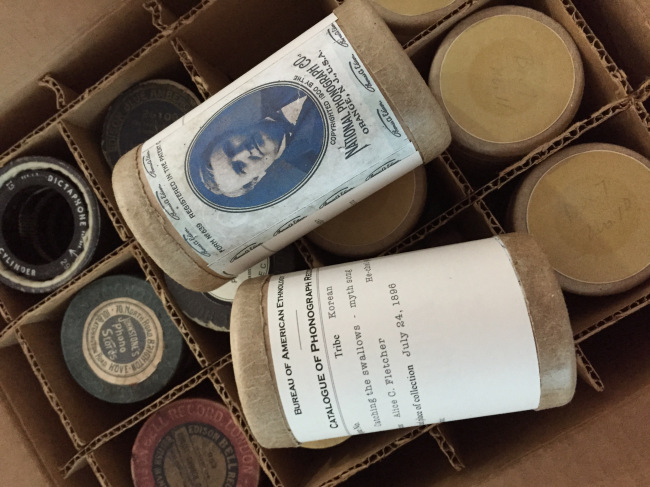
The phonograph cylinder used by Alice Fletcher was an early recording medium developed by Thomas Edison in 1877. Before the introduction of the flat, disc-shaped records that are commonly recognized today, phonograph cylinders were widely used for recording and playback. This technology functioned by mechanically engraving sound waves onto a cylindrical surface, allowing for the preservation of audio. Though eventually replaced by disc records in the early 20th century, phonograph cylinders were a groundbreaking means of capturing sound at the time.
Alice Fletcher used this technology to record Korean voices, and this recording is considered the oldest known Korean-language audio to date. Unlike commercial recordings intended for mass distribution, this recording was created purely for research purposes. It was produced at a time when the concept of “records” (eumban, 음반, 音盤) did not even exist in Korean society.
Preservation and Restoration of the First Korean Recording
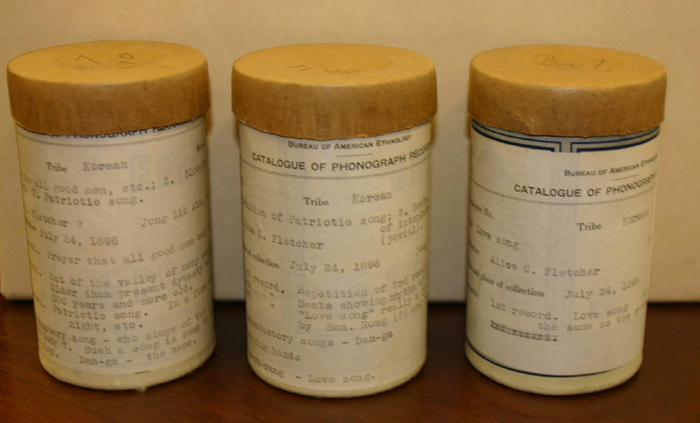
The recording consists of six phonograph cylinders, which are currently housed at the Library of Congress in the United States. As one of the world’s most significant repositories of historical audio recordings, the Library of Congress treats this recording as a valuable cultural heritage artifact. Additionally, a replica of the recording is exhibited at the Korean Popular Music Museum, allowing researchers and the public to directly engage with this historical record.
The restoration of this recording was led by Korean music scholar Jeong Chang-kwan in the late 1990s. He digitized and restored the recording, producing CDs that were distributed for free. These CDs have become an essential resource for those seeking to understand the roots of Korean popular music history. Jeong’s work extended beyond mere sound restoration; it played a crucial role in raising awareness of the historical significance of this early audio recording.
Today, Jeong’s restored version is freely available to the public, serving as an important medium for preserving and promoting Korea’s musical and cultural heritage. The restoration and distribution of this recording go beyond mere historical documentation—they act as a vital bridge connecting the past and present.

The Significance of the First Korean Audio Recording
Alice Fletcher’s recording represents the first known instance of Korean voices being preserved through audio technology. These recordings provide direct insight into the pronunciation and intonation of 19th-century Korean, making them an invaluable resource for linguistic and musicological research. By capturing traditional Korean folk songs of the time, the recordings offer critical clues for understanding the cultural characteristics of that era, including how melodies were performed and how the language was spoken.
However, this recording does not mark the beginning of Korean popular music. Popular music, by definition, is created for an audience and distributed for consumption, whereas Fletcher’s recording was merely a scholarly document intended for academic study. While historically and anthropologically significant, it does not signify the inception of Korea’s music industry.
Furthermore, since Fletcher had Joseon students sing for research purposes, this recording cannot be considered a creative musical work. The students were not professional singers but rather individuals whose voices were documented for scholarly purposes. This emphasizes that the recording holds more value in terms of cultural and linguistic preservation rather than artistic musical expression.
Although the recording was not performed by professional musicians, the folk songs sung by the Joseon students provide important insights into the commonly sung songs of the time. These folk melodies serve as valuable records of Korea’s cultural identity and musical preferences during that period, offering a deeper understanding of the musical sentiments of the era.
While this recording does not represent Korean popular music of the time, it holds great significance as the first audio documentation of the Korean language and culture. Despite its anthropological purpose, the recording serves as a valuable cultural artifact, capturing the vibrant voices of Koreans and their traditional songs. However, it cannot be considered the beginning of Korean popular music. The emergence of commercially distributed records, which truly mark the origins of Korean popular music, did not occur until the early 20th century. Therefore, rather than defining the starting point of popular music, this recording should be recognized as a historic milestone—the first audio preservation of Korean voices and traditional music.